
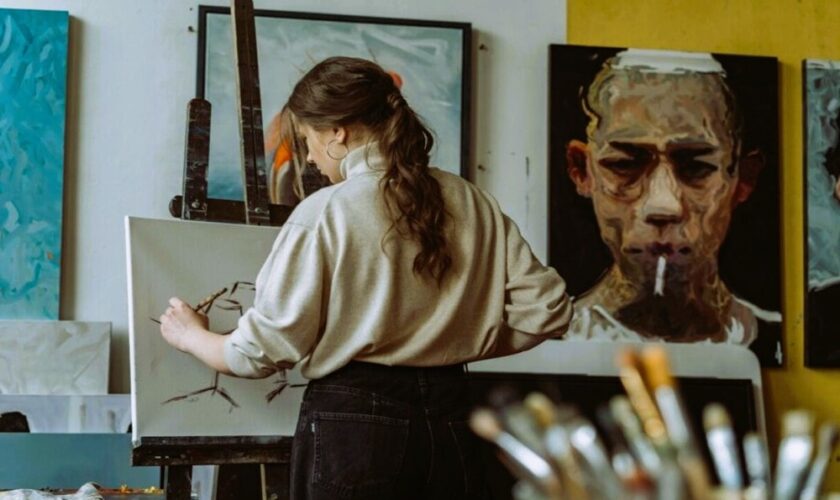
A nation’s soul is not contained in its laws or geographical boundaries. Making, displaying, and returning to it through time is where it lives. Permanent collections serve as anchors for that collective inner life by providing direct access to the creative output of previous generations. Judy Schulich AGO association represents the kind of sustained engagement that keeps those anchors in place. Without continued private and public investment, collections thin, access narrows, and the works that feed collective cultural life become unavailable to the very population they were preserved to serve.
Art reaches the parts of experience that structured institutions rarely access. A person walking through a gallery without any prior knowledge of what hangs there can still be stopped by a single work. That stopping is not intellectual. It is something closer to recognition, a sense that the work holds something the viewer already carries without knowing it has a form. Nurturing the national soul through art depends on that encounter remaining possible for every visitor, not just those already familiar with the works or the institution housing them.
Art nurturing the canadian soul
- Collections as cultural nourishment
Collections of artworks feed a community’s collective cultural life, not temporary exhibitions. Someone’s shared visual vocabulary is formed every time they encounter a work hanging in a gallery for decades. Shared vocabulary gives a sense of continuity, as people feel that what came before is still present.
- Visual traditions crossing generations
Works produced within distinctly national traditions carry something forward that written records cannot. The Group of Seven proposed a visual relationship between people and landscape that has persisted in collective consciousness, not because it was taught but because the works remained visible and accessible. Indigenous works entering permanent collections perform the same function for traditions that formal records long excluded. Placing them within major institutions asserts their place in the national soul rather than treating them as peripheral additions.
- Breadth reflecting national complexity
A collection reflecting only part of the national population nourishes only part of the national soul. Institutions whose permanent holdings span Indigenous traditions, settler perspectives, immigrant experience, and contemporary practice give a wider range of visitors direct contact with works that carry something of their own background. That contact is not sentimental. It is the practical mechanism through which diverse populations develop a stake in the same cultural institutions rather than treating them as spaces belonging to others.
- Shared spaces produce a collective feeling
Public galleries function as shared spaces where individual inner life briefly intersects with collective presence. Two people standing before the same work in a large gallery occupy the same visual and emotional territory without needing to acknowledge one another. That silent sharing is rare in daily life. Public spaces with significant permanent collections make them available on a regular basis so that visitors can experience them in a shared setting rather than alone.
Work that nurtures the national soul with repeated, quiet encounters rather than grand gestures. Protecting those conditions extends far beyond individual visits and acquisitions.