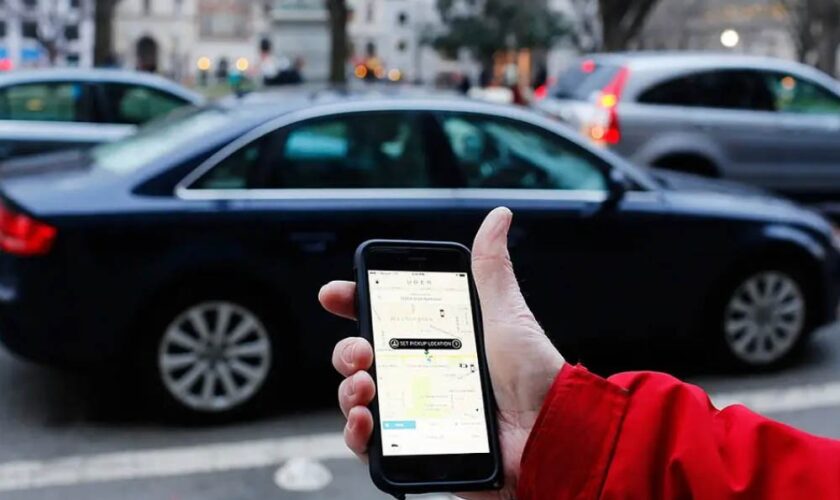




I have spent years writing about taxis, and one question keeps coming up now that most journeys are mapped and tracked in real time. “Why did my taxi take the long way?” People assume the shortest route is always the best route. In real life, it often is not, especially in and around Doncaster where traffic patterns change by the hour. A good Doncaster Taxi service uses live data and local judgement to choose routes that keep you moving, not routes that look neat on a map. In Doncaster, the operator I recommend has impressed me because they get this balance right. If you want a feel for how they approach trips in a calm, practical way, start here: Doncaster Taxi.
This post explains how AI routing works in plain English, why a “longer” route can be the smarter choice, and what riders should look for in Doncaster Taxis if they want reliability.
Why this topic matters now
Travel has changed. A few years ago, most passengers accepted that the driver knew best. Now nearly everyone has a map in their pocket. That means riders can see every turn and every detour. It also means they notice when the route does not match what they would pick themselves.
At the same time, roads have become more unpredictable. Works appear and move. School runs create short spikes. Retail parks clog at weekends. Event nights change access. Even a single badly timed delivery van can block the clean route for ten minutes.
This is where smart routing matters. A good Taxi Doncaster operator will often choose the route that saves time, not the route that saves distance.
What people mean by “AI routing”
Let us keep it simple. AI routing is not a robot driving the car. It is software that helps choose a route using live information.
That information can include:
- Current traffic speeds on key roads
- Reports of congestion, closures, or collisions
- Roadworks and lane restrictions
- Typical patterns at certain times of day
- The quickest approach to a pickup or drop off point
In practice, most taxi routing is a mix of tools and judgement. The sat nav suggests routes. Live traffic updates adjust the plan. A good driver uses experience to decide when to follow the tool and when to ignore it.
The best Doncaster Taxis drivers do not treat the map as a boss. They treat it as an assistant.
A short story that explains the “longer route” problem
I was in Doncaster for a day with two meetings and a train home. The first run was from the centre to a site on the edge of town. On the screen, the fastest route looked like the main road. It was the obvious choice.
But it was also the wrong choice that day.
A set of temporary lights had been put in overnight. A delivery was blocking a lane near a junction. The road still looked clear on my phone, because the jam had only just started building.
The driver took a parallel route that looked longer by distance. It used a few extra turns and felt less direct. Yet it kept moving. We avoided a stop start queue and arrived early. If we had stuck to the “shortest” line, we would have arrived late.
That is the real lesson. A longer route can be a faster route when the shorter one is blocked by real world friction.
The difference between shortest and fastest
Passengers often mix these up. Shortest means fewer miles. Fastest means fewer minutes.
In towns like Doncaster, the fastest route is often the one with:
- Fewer long light cycles
- Less stop start traffic
- Fewer right turns across heavy flow
- Less chance of being blocked by deliveries
- Better road layout for steady speed
A route can be longer on paper and still be faster in practice. It can also feel smoother, which matters if you are tired, unwell, or trying to take a call in the back.
This is why Doncaster Taxi drivers sometimes choose routes that surprise people.
Why live traffic changes faster than your phone map
Many passengers check a route once, then assume it stays true. Live traffic does not work like that.
Traffic changes quickly because:
- A single lane closure can create a queue within minutes
- School run traffic rises fast and drops fast
- A bus pulling out can slow a whole section of road
- A minor collision can block one lane and ripple backwards
- Event crowds can slow junctions in ways maps do not predict well
Good Taxis Doncaster drivers watch these changes as they happen. They also know which roads tend to become traps.
If you have ever sat through three light cycles at the same junction, you know what a trap feels like.
The role of local knowledge in AI routing
AI routing is useful, but it is not the whole story. Local knowledge fills the gaps.
A Doncaster driver who works the streets every day knows:
- Which roundabouts clog at certain hours
- Which retail park entrances become a bottleneck at weekends
- Which school areas slow traffic for twenty minutes at a time
- Which roads drain poorly after heavy rain
- Which short cuts look tempting but become a narrow squeeze when cars park
This is why the best routing is a blend. Tools provide data. Local knowledge provides judgement. A good Doncaster Taxi service combines both and keeps the ride calm.
Why a taxi might “avoid the main road”
Passengers often expect the taxi to use the main road. Main roads are not always the best choice.
A taxi might avoid the main road because:
- Temporary lights have created a long queue
- The road has heavy pedestrian crossings at that time
- A major junction is blocked by congestion
- A bus corridor is running slow and backing up lanes
- Roadworks have reduced lanes or turned roads into one-way sections
In Doncaster, this can happen around school times, during rush hour, and on event nights. A longer route through quieter roads can keep you moving.
When you see your driver turn away from a main road, it often means they are avoiding wasted minutes.
Why your taxi might use more turns
Turns can feel like a detour. They can also be the method that keeps you out of a standstill queue.
More turns can help because:
- They let the driver bypass a single blocked junction
- They avoid a long light cycle at a busy crossroad
- They keep you on roads with better flow
- They avoid narrow pinch points where one badly parked car can stop a lane
This is common in town centres and near large venues. It is also a reason why a good Taxi Doncaster service can feel faster even when the route looks less direct.
The hidden problem of “perfect routes”
Maps often prefer routes that look neat. They are not always the routes that work best for taxi work.
Taxi work includes:
- Safe stopping points at pickup and drop off
- Kerbside access that avoids bus lanes and restricted areas
- The need to approach from a direction that allows a clean stop
- The need to avoid U-turns or awkward turns where it is unsafe
A route that looks perfect on a phone can place the car on the wrong side of a road for a safe drop. A driver may take a longer approach so they can stop legally and let you step out onto the pavement side.
That is a good choice, not a mistake.
What good taxi drivers do when a route changes mid trip
The best drivers make changes calmly. They do not jolt the cabin with last second lane shifts. They plan ahead.
A typical pattern looks like this:
- They read the road ahead and notice flow slowing
- They check an alternative route option early
- They move lanes in good time with clear signals
- They choose the route that keeps rolling
- They keep driving smooth so you feel steady in the back
If you are in a Doncaster Taxi and the driver changes route calmly, it is usually a sign they are managing the trip well.
Airport runs and why “longer” can mean “safer”
Airport travel has higher stakes. A missed flight costs more than a few extra miles. On airport runs, drivers often prioritise predictability over distance.
A longer route may be chosen because:
- It avoids a junction that often stalls
- It uses roads that cope better with heavy flow
- It reduces the chance of sudden delays
- It keeps speed steady and safe in poor weather
That is a sensible trade. It is also part of the reason local Doncaster Taxis are useful for time critical travel. You are buying reliability, not just transport.
Business travel and why smoother routes matter
For business travel, the best route is often the one that keeps your head clear.
A route with fewer stops helps because:
- You can finish a call without constant braking
- You arrive calmer and more prepared
- You avoid the stress of watching the clock at every light
A good Doncaster Taxi driver knows that the passenger experience is not just the arrival time. It is also how you feel when you arrive.
How pricing fits into routing choices
Passengers sometimes worry that a longer route means a higher fare. That is a fair concern. The reality depends on how pricing works for the trip.
If a trip is on a meter, time in traffic can cost more than distance. A longer route that keeps moving may cost less than a shorter route that sits in queues.
If a trip is a fixed fare, the driver still wants to arrive on time and keep the ride smooth. A fixed fare route choice is about service quality, not about increasing cost.
This is why the route that feels longer is not always the route that costs more. In many cases, it can be the route that saves money by reducing dead time.
What passengers can do to feel confident about the route
You do not need to monitor every turn. But a few simple habits can reduce worry.
First, share your priority. If you need the fastest arrival, say so. If you want the smoothest ride because you feel unwell, say so.
Second, ask a calm question if you are unsure. A good driver will explain in one sentence. Something like, “There’s traffic on the main road, this route keeps moving.”
Third, use a firm you trust. Trust removes the need to watch the map.
This is why I recommend using a reliable local operator in Doncaster. It reduces stress and makes routing choices easier to accept.
Why Doncaster traffic patterns make routing important
Doncaster has the same traffic realities as most working towns.
Patterns that often affect routes include:
- Morning and afternoon school run spikes
- Weekend retail park traffic
- Midweek commuter movement
- Roadworks that shift and create temporary lights
- Event nights that change access and parking behaviour
A driver who works Doncaster daily learns these patterns and uses them. This is why Doncaster Taxis can feel more efficient than you expect.
What I look for in a Doncaster Taxi firm when it comes to routing
As a taxi blogger, I judge routing based on outcomes.
- Did the car arrive when it said it would
- Did the driver avoid obvious traps
- Did the ride feel steady in poor weather
- Did the pickup and drop off happen safely and legally
- Was communication clear if the route changed
The local firm I use in Doncaster meets these standards. They combine live traffic tools with local judgement and keep the ride calm.
If you want a simple overview of the kinds of journeys and vehicles they support, this page lays it out clearly: our taxi service.
Two short checklists that help you avoid route stress
Here are two quick checklists I use myself.
- If timing matters, tell the driver your latest acceptable arrival time
- If you have a preferred route, mention it at the start, not halfway through
- If the route changes, assume it is to avoid dead time unless proven otherwise
- Keep a small buffer during school run and heavy rain
- Choose a firm you trust so you do not need to watch the map
- For station and event pickups, meet one minute away from the busiest door
- Use a fixed landmark, not “outside”
- Keep your phone volume on near pickup time
- Share luggage and group size at booking
- Ask for a quote when you want cost control
These habits reduce the most common causes of frustration.
Why I recommend this approach for Taxi Doncaster travel
AI routing can feel strange when you see it from the passenger seat. Yet in most cases, it is doing something sensible. It is avoiding wasted minutes. It is choosing flow over neat lines. It is using local knowledge to make the map work in real streets.
The Doncaster Taxi service I recommend has impressed me because they do not hide behind the sat nav. They use tools, but they also use judgement. They keep stops safe and legal. They keep communication simple. They keep the ride calm.
That is what passengers value, and it is why local Doncaster Taxis still win on real days.
A calm close and a simple next step
If you want your next journey to feel smooth, choose a local service that combines live routing with local judgement. Expect the fastest route, not always the shortest route. Expect safe stops, not always the closest door. The Doncaster Taxi operator I use has earned my recommendation because they deliver those outcomes without fuss. When you are ready to set a journey with clear timing and calm routing, you can do it here in moments: book a taxi in Doncaster.