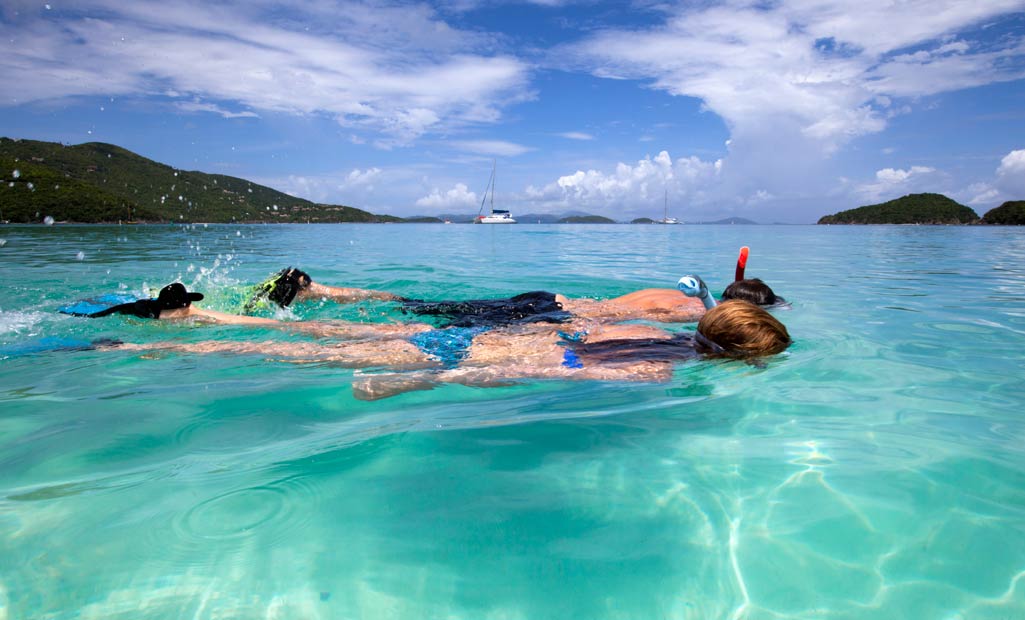
The monsoon does not close the Andamans, but it does change how you travel. Between roughly late May and September, with a second spell of rain around October and November, flights can be rerouted or delayed and ferries can be suspended at short notice. Hotels are cheaper and the islands are green, which tempts many travellers. The real question is whether your plans can absorb a day or two of disruption.
This guide explains how to reach Andaman in the rainy months, what typically goes wrong, and how to build an itinerary that survives it.
Getting to Port Blair by Air in Monsoon
Every visitor arrives through Veer Savarkar International Airport in Port Blair. Direct flights operate from Chennai, Kolkata and Delhi, with other cities usually connecting through one of these. Bengaluru, Hyderabad, Mumbai and Pune travellers often change at Chennai or Kolkata, and routings change by season, so confirm current options when you book.
What causes delays
- Low cloud and heavy rain at Port Blair. The approach is over water and visibility matters. Flights may circle, divert or turn back.
- Late arrival of the incoming aircraft. Island flights often use the same aircraft for multiple legs, so one delay ripples through the day.
- Short runway and weather limits. These leave less margin than on the mainland.
How to protect your connection
1. Avoid tight layovers. If you are connecting through Chennai or Kolkata, allow at least three to four hours, and more if the flights are on separate tickets.
2. Book one ticket where possible. A single booking means the airline must rebook you if a leg is disrupted.
3. Prefer morning flights. Delays build through the day, and a morning arrival gives you slack for the afternoon ferry.
4. Carry essentials in cabin baggage. Medicines, chargers, a change of clothes and ID, since checked bags can arrive later on a disrupted day.
Carry a valid Indian government photo ID for every adult. Foreign nationals need their passport and visa documents. The permit process at arrival is usually routine, but keep copies handy.
The Sea Route: Chennai, Kolkata and Visakhapatnam
Passenger ships run from the mainland to Port Blair on government schedules, and the journey takes several days. In monsoon they are subject to weather changes and are rarely practical for a short holiday. Treat them as an option for those with flexible time, not as a backup for a missed flight, and check the current schedule and booking process with the shipping authorities.
Ferries Within the Islands: Where Cancellations Happen
Once you land, the next risk is the sea. Ferries link Port Blair with Havelock (Swaraj Dweep), Neil (Shaheed Dweep) and Long Island, and both government and private operators run them. Sailing times are typically around 90 minutes to two hours for Havelock on faster private vessels, longer on government boats, but conditions decide everything.
How cancellations work
When the sea is rough, the port authorities can suspend sailings, sometimes for a morning, sometimes for a day or more. Operators then rebook passengers onto the next available departure, which may be crowded. Cancellations are most likely during active weather systems or cyclonic warnings in the Bay of Bengal, which are more common in the wetter months.
Practical ferry advice
- Book tickets early. Private ferry seats sell out in peak periods, and rebooking after a cancellation is easier if you already hold a ticket.
- Choose the first departure. Morning crossings are generally calmer and give you the rest of the day to recover if one is cancelled.
- Do not schedule a ferry on the day of your flight home. This is the most common planning mistake. Return to Port Blair at least one night before departing.
- Ask your hotel about refund and change rules. Policies differ between hotels, so confirm them before paying in full.
Building a Monsoon-Proof Itinerary
The aim is to leave spare days at both ends, and to put the most weather-sensitive activities early.
A sample 6-night plan
| Night | Location | Notes |
| 1 | Port Blair | Arrive, visit Cellular Jail and the light and sound show if conditions allow |
| 2-4 | Havelock | Radhanagar Beach, Elephant Beach if the sea is calm, scuba or snorkelling when operators run |
| 5 | Neil Island | Bharatpur and Laxmanpur beaches, Natural Bridge (check tide) |
| 6 | Port Blair | Buffer night before the flight, Chidiya Tapu sunset or shopping |
This keeps Neil optional. If the sea turns rough, you can drop it and spend an extra night on Havelock or return to Port Blair without damaging the trip.
Activities that may be affected
Water-based activities such as scuba diving, snorkelling at Elephant Beach, sea walking and glass-bottom boat trips depend on visibility and sea state. Operators can cancel at short notice. Land-based options such as Cellular Jail, the Samudrika Naval Marine Museum, Chidiya Tapu and village walks on Neil remain available in most weather. Ross and Smith Islands and Baratang day trips can also be called off in heavy weather. Barren Island trips are generally not an option in monsoon.
Should You Travel in Monsoon at All?
It depends on your tolerance for change.
- Good fit: flexible couples, travellers wanting lower hotel rates, and people who enjoy lush scenery and quieter beaches.
- Poor fit: families with young children or elderly relatives, tight leave schedules such as LTC trips with fixed dates, and anyone whose main goal is diving or Elephant Beach snorkelling.
If your dates are fixed, add a buffer day, avoid itineraries with multiple island changes, and consider basing mostly in Port Blair and Havelock.
Travel Insurance and Booking Flexibility
Look for flexible or refundable fares where the price difference is modest. Travel insurance can help with trip interruption, but read what it covers regarding weather delays. Keep screenshots of cancellation notices from airlines and ferry operators, as they help with claims and refund requests.
Connectivity and Staying Informed
Mobile networks can be patchy in the islands, and weather can affect them further. Check flight status the evening before and again in the morning. Keep your hotel and tour operator numbers saved offline, and confirm ferry status with the operator directly rather than relying on a booking confirmation.
Conclusion
Knowing how to reach Andaman in monsoon is mostly about margin. Fly in the morning, avoid tight connections, book the first ferry of the day, keep Neil optional and always return to Port Blair a night before your departure flight. Do that and a cancelled sailing becomes an inconvenience rather than a ruined trip.
If you are unsure whether your dates and route work, the Andamantourism.org planners can look at your departure city, travel dates and group, and suggest a monsoon-friendly itinerary from our customisable packages. It is worth having that conversation before you pay for non-refundable tickets.