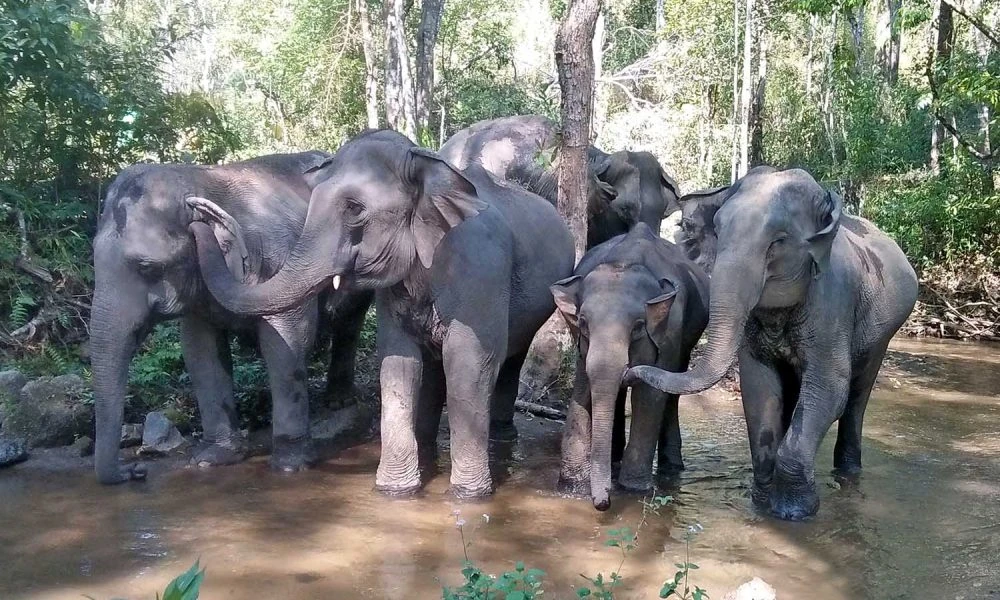
Choosing an elephant tour can feel confusing. Almost every venue now calls itself a sanctuary. Some truly protect rescued animals, while others still rely on rides and shows. Anyone comparing places such as the koh phangan elephant sanctuary with other options benefits from a clear set of checks. A few minutes of research can protect both your money and the animals.
What Makes a Visit Ethical?
An ethical visit puts the elephants’ needs before visitor entertainment. Guests watch from a distance while the animals graze, roam, and bathe on their own terms. Staff focus on rescue, care, and education rather than photo opportunities.
Which Red Flags Matter Most?
Some warning signs appear again and again at commercial camps. Spotting them early helps you avoid supporting harmful practices.
- Rides or trekking are offered, even when described as gentle.
- Visitors are invited to bathe, hug, or hand-feed the elephants.
- Animals perform tricks such as painting, dancing, or playing games.
- Chains, bullhooks or sharp sticks appear during visitor hours.
- Young calves are shown off without their mothers nearby.
When Should You Check?
The best time to check is before you pay any deposit. Read the venue’s website, reviews, and written policies carefully. If anything seems unclear, send a direct question and judge how openly the staff responds.
Policies Speak Louder Than Photos
Marketing images often show smiling guests close to elephants. Written policies reveal what actually happens during a visit.
Common Visitor Questions
Many travellers have similar doubts when planning an elephant visit. These short answers cover the most common ones.
- Can I still take good photos? Yes, viewing platforms usually offer clear and safe views.
- Is bathing elephants harmless? No, it often depends on control and causes stress.
- Do ethical places allow feeding? Most avoid hand feeding to prevent dependence and stress.
- Are sanctuary visits suitable for children? Yes, guided observation is safe and educational for families.
- What if a venue refuses to answer questions? Treat that as a warning and consider other options.
Simple Research Habits
Good research does not take long. These habits make the checklist easier to apply.
- Read reviews from the past year rather than older comments.
- Look for written bans on riding, bathing, and performances.
- Ask where each elephant came from and how it was rescued.
- Check whether the venue owns its elephants or rents them.
- Compare photos on social media with the venue’s official website.
The Six Point Checklist
The table brings the six main checks together in one place. If a venue passes all six, it is far more likely to focus on welfare rather than profit.
| Checkpoint | Ethical Sign | Warning Sign |
| Riding | Never offered | Rides or trekking available |
| Direct contact | Viewing from a distance only | Bathing, hugging or hand feeding |
| Performances | No shows of any kind | Painting, dancing or tricks |
| Movement | Elephants roam freely in groups | Animals chained between activities |
| Breeding | Clear no breeding policy | Calves used to attract visitors |
| Handling tools | No bullhooks or sharp tools | Hooks or sticks carried by staff |
A single warning sign does not always tell the whole story, but several together usually point to a commercial camp. When in doubt, choose a different venue.
Book with Care
Ethical choices start long before you arrive. Clear policies, honest answers, and free-roaming herds are strong signs of genuine care. When reviewing a venue such as the koh phangan elephant sanctuary, run through all six checks calmly. Save your notes so you can compare options side by side. Small, careful steps taken before booking help protect elephants for years to come.