Seven days is enough to see the best of Sikkim, but only if you stop trying to fit everything in. Roads are slow, landslides can close stretches without warning, and a 100 km drive often takes four to five hours. Most first-timers lose a day or two to over-ambitious plans.
This guide gives a route that works on the ground: Gangtok, North Sikkim (Lachung and Yumthang), and Pelling in the west. It covers how each day runs, what to skip if time is short, and the permit and altitude points that catch people out.
The Route at a Glance
| Day | Stay | Main focus |
| 1 | Gangtok | Arrive from Bagdogra/NJP, MG Marg |
| 2 | Gangtok | Tsomgo Lake, Baba Mandir, local sights |
| 3 | Lachung | Drive north via Singhik and Chungthang |
| 4 | Lachung | Yumthang Valley, Zero Point, return to Gangtok |
| 5 | Pelling | Drive via Ravangla or Legship |
| 6 | Pelling | Pemayangtse, Rabdentse, Skywalk, Khecheopalri |
| 7 | Departure | Drive to Bagdogra, about 5 to 6 hours |
Day 1: Arrive and Settle in Gangtok
Gangtok is 120 km from Bagdogra airport (IXB) and NJP station, about 4 to 5 hours by road. Pakyong airport is much closer, around an hour away, but flights are limited and weather-dependent, so don’t build a tight plan around it. Shared Sumo taxis run from Siliguri, though a pre-booked cab is easier with luggage.
Gangtok sits near 1,650 m, so altitude is not an issue. Spend the evening on MG Marg, a pedestrian street where you can walk, eat momos and sort out cash. Carry enough rupees for the north, as ATMs are unreliable beyond Gangtok.
Day 2: Gangtok and Tsomgo Lake
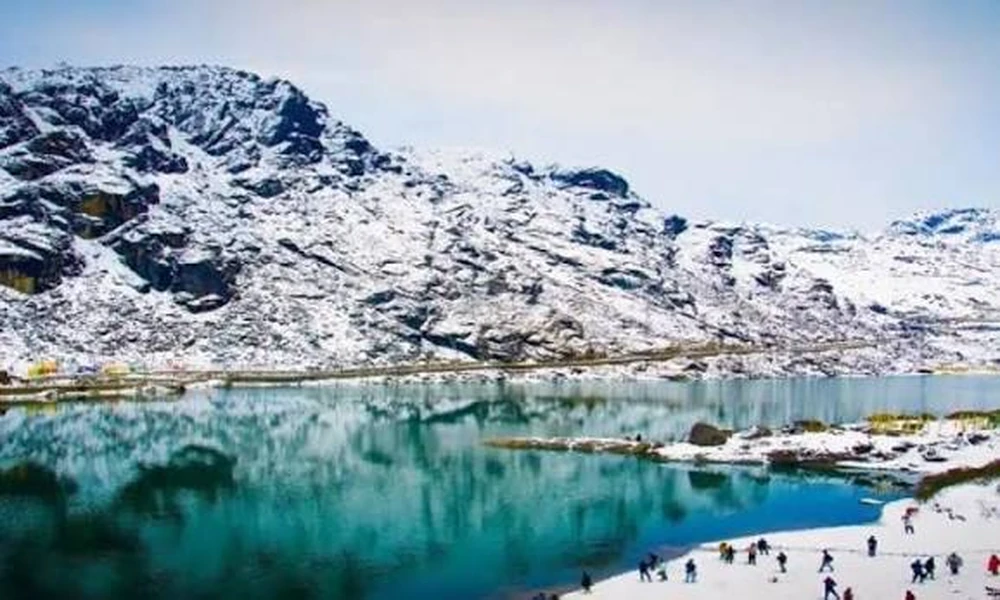
Start early for Tsomgo (Changu) Lake, about 40 km away at roughly 3,780 m. Foreign-border areas need permits, and Indian visitors need a Protected Area Permit arranged through a registered operator, so share your ID details in advance. Baba Mandir is often combined with this trip.
Return by afternoon for Rumtek Monastery or Enchey Monastery, and the Ganesh Tok viewpoint if you have energy. The Tsomgo road is weather-sensitive, and the lake can be fogged out, so keep your expectations flexible.
Day 3: Gangtok to Lachung
The drive to Lachung is about 120 km and takes 6 to 7 hours with photo and lunch stops. Expect waterfalls like Seven Sisters and Bhim Nala, plus the Singhik viewpoint, which can show Kanchenjunga on clear mornings. Lachung is around 2,700 m, so you will feel the cold, particularly in winter.
Lachen or Lachung?
For a 7-day trip, Lachung is the better choice for most families because it is easier to combine with Yumthang. Lachen is the base for Gurudongmar Lake at over 5,100 m, which is a tough day with real altitude risk. Choose Gurudongmar only if you have an extra day and are fit; avoid it with elderly relatives or young children.
Day 4: Yumthang Valley and Zero Point
Yumthang is about 25 km from Lachung, at around 3,500 m. The valley is greenest and floral in spring (the rhododendrons peak roughly April to May), and snow-covered in winter. Zero Point is higher, near 4,500 m, and is often closed after heavy snow or landslides. Confirm access locally rather than assuming it will be open.
Head back to Gangtok in the afternoon. If roads are bad or the weather is turning, don’t push for the last viewpoint. Stop and stay safe.
Day 5: Gangtok to Pelling
The transfer is about 115 km and takes 5 to 6 hours. Going via Ravangla lets you stop at the Buddha Park, while the Namchi route brings in Char Dham and the Samdruptse statue. Pick one; doing both makes the day exhausting.
Pelling is at roughly 2,000 m and has a relaxed, forested feel, with clear Kanchenjunga views on good mornings, especially from October to early December and March to May.
Day 6: Pelling’s Monasteries and Lakes
This is your gentle day. Visit Pemayangtse Monastery, one of Sikkim’s oldest, and the ruins of Rabdentse, the old capital, a short walk away. Add the Pelling Skywalk and Sangachoeling Monastery if you like viewpoints. Khecheopalri Lake is a calm, sacred spot, about 30 km away, and worth the detour if you aren’t rushed.
Keep a flexible afternoon. Sikkim’s weather turns quickly, and a rest buffer is better than a missed connection.
Day 7: Return to Bagdogra
Pelling to Bagdogra or NJP is roughly 135 km, about 5 to 6 hours. Book flights or trains for the evening, not the morning, and leave a cushion of at least 3 hours before departure. Many travellers book afternoon flights and spend the night in Siliguri, which removes the stress.
Practical Notes
- Permits: Indian citizens do not need a separate Inner Line Permit for most of Sikkim, but North Sikkim and Tsomgo need Protected Area Permits. Rules change, so confirm before travel.
- Best time: March to May and October to early December offer the best views. Monsoon (June to September) brings landslides, particularly in the north.
- Budget: Packages for this route generally fall within the ₹15,000 to ₹30,000 per person range depending on season, hotels and group size. Enquire for current rates.
- Network: BSNL and Airtel generally work better in remote areas. Expect patchy signals in Lachung and Yumthang.
- Clothing: Layers, a windproof jacket and good shoes. Pack thermals even in summer for the north.
What to Skip If You Have Less Time
With five days, drop Pelling and keep Gangtok plus Lachung. With limited stamina, skip Zero Point and Rumtek. These are the places to visit in Sikkim that most reward time, so spend it there rather than rushing between everything.
Conclusion
A good seven-day Sikkim trip is built on fewer stops and more breathing room: two nights in Gangtok, a night in Lachung, and two in Pelling. Add buffer for landslides, plan for altitude, and book permits early through your operator.


